
How to Winterize Your Home in North Florida: An HVAC Checklist for the Heating Season
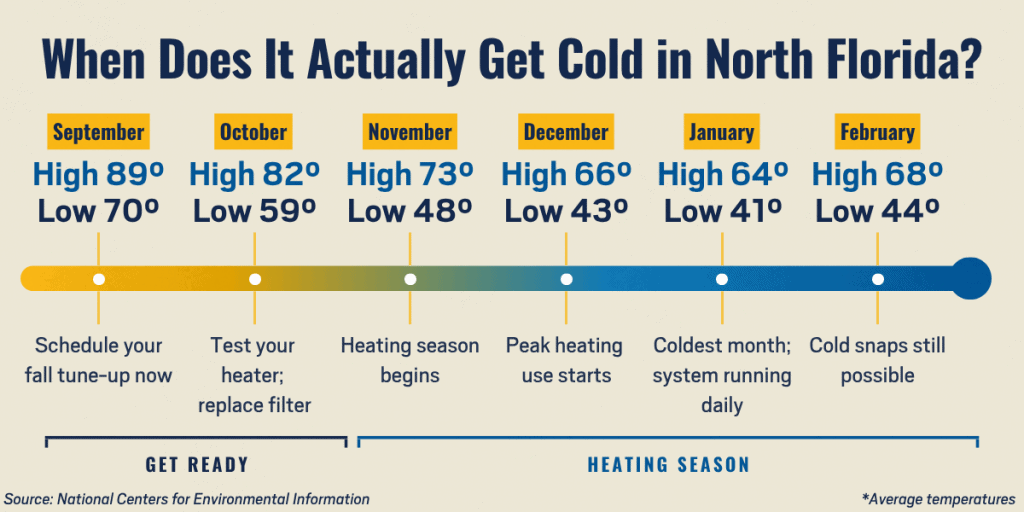
Winter in North Florida may be mild compared with other parts of the country, but cooler temperatures still bring increased demand on your home’s heating system. Temperatures typically begin dropping more noticeably in October and November, with colder nights becoming more common as winter approaches. That makes fall an ideal time to check your HVAC system and address potential problems before the first cold snap.
Knowing how to winterize your home means preparing your HVAC system for the change in seasons. From scheduling routine maintenance to checking your thermostat and testing your heat, a few steps in the fall can help your system operate efficiently when temperatures drop.
Why Florida’s Winter Is Different for Your HVAC System
North Florida winters are generally mild, but temperatures can shift between warmer days and cold nights throughout the season. Many homes in the region rely on heat pumps, which provide both heating and cooling and work differently from the furnaces commonly referenced in winter HVAC advice. Rather than generating heat, a heat pump transfers heat from outdoor air into the home.
As outdoor temperatures drop, a heat pump may need supplemental electric heat strips to help warm the home. Heat strips use more electricity than the heat pump alone, so understanding how your heat pump uses them can help you recognize when supplemental heat is expected and avoid relying on Emergency Heat unnecessarily.
Because your heat pump may need to respond to changing temperatures throughout a North Florida winter, preparing it in the fall can help ensure the system is ready for the heating season.
Your Fall HVAC Checklist: What to Do Before Winter Arrives
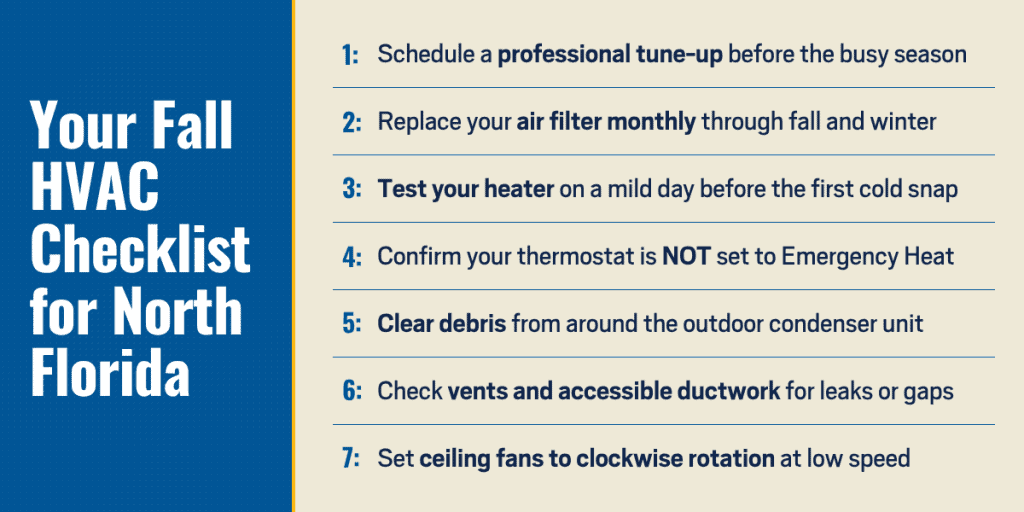
Start with these steps to get your system ready for the heating season.
Step 1: Schedule a Professional HVAC Tune-Up
Fall is a good time to have your HVAC system inspected before you begin relying on it regularly for heat. During a professional tune-up, a technician can inspect the heat pump, check refrigerant levels and evaluate components such as the blower and motor. The technician can also verify that the system’s backup heat strips are working properly. Scheduling service early gives you time to address potential problems and can help you get ahead of the seasonal increase in service calls.
Step 2: Replace or Inspect Your Air Filter
Check your HVAC system’s air filter and replace it if needed. A clogged filter can restrict airflow, reduce heating efficiency and make the system work harder to keep your home comfortable. Continue checking the filter throughout fall and winter, changing it monthly or according to the manufacturer’s recommendations.
Step 3: Test Your System Before You Need It
Turn your heat on during a mild fall day rather than waiting until the first cold night to find out whether it is working properly. You may notice a temporary dusty or burning smell when the system runs for the first time, but testing it early gives you time to watch for signs there might be something wrong with your heat pump and schedule service if needed. If there is a brief odor, testing on a mild day also allows you to open the windows while it clears.
Step 4: Check Thermostat Settings and Avoid Costly Mistakes
Set your thermostat to around 68 degrees for everyday comfort and avoid making large temperature adjustments when using a heat pump. Significant changes can cause the system to rely more heavily on supplemental heat strips, which use more electricity. Check your thermostat before the heating season begins to make sure it is set to Heat rather than Emergency Heat, which should only be used when the heat pump itself cannot provide heat.
Step 5: Inspect and Clear the Outdoor Unit
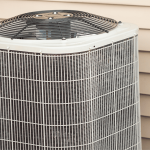
Check the area around your outdoor unit and remove fallen leaves, debris or overgrown vegetation that could interfere with airflow. When you test your heat, take a moment to check that the outdoor fan is running while the system is in heating mode. If the fan is not running when it should be, contact an HVAC professional to have the system inspected rather than trying to troubleshoot the outdoor unit yourself.
Step 6: Look for Duct Leaks and Air Leaks
Leaks in your ductwork or around your home can allow heated air to escape and make your HVAC system work harder to maintain a comfortable temperature. Check vents for consistent airflow and look for visible gaps or damage in accessible ductwork. Poor airflow and uneven temperatures can also be signs of air duct issues that may require a professional inspection. You can also check around windows, doors and other areas where you notice drafts that could allow heated air to escape.
Step 7: Reverse Ceiling Fans to Clockwise Rotation
Ceiling fans can also help keep your home comfortable during the heating season. Switch your fans to rotate clockwise at a low speed during cooler weather. This direction helps circulate warm air that naturally rises toward the ceiling back into the living space, allowing you to make better use of the heat already in your home.
What to Expect From Your Heat Pump in Cold Weather
Your heat pump may operate differently as outdoor temperatures drop, and some changes are a normal part of heating your home. During colder weather, the system may run for longer periods or rely on supplemental heat strips to maintain the thermostat setting. You may also notice the outdoor unit periodically entering a defrost cycle to remove frost that develops on the coil. During this process, steam may rise from the outdoor unit, which can look unusual but does not necessarily indicate a problem. If your heat pump runs constantly or struggles to maintain the thermostat setting during otherwise mild weather, however, it may be time to have the system inspected.
Frequently Asked Questions
When is the best time to schedule a fall HVAC tune-up in North Florida?
Schedule your fall HVAC tune-up before you begin relying on your heating system regularly. Having your system inspected early in the season gives you time to address maintenance or repair needs before colder weather arrives and helps you avoid waiting until the first cold snap, when more homeowners may be scheduling heating service.
How do I know if my heat pump is working properly in heating mode?
A heat pump should produce warm air and gradually bring your home to the temperature set on the thermostat. The outdoor unit may run for extended periods during colder weather, and occasional defrost cycles are normal. If the system is not maintaining the set temperature, the outdoor fan is not operating when it should be or you notice other unusual behavior, have the system inspected by an HVAC professional.
What temperature should I set my thermostat in winter?
A thermostat setting of around 68 degrees can provide a comfortable starting point during the North Florida heating season. If you have a heat pump, avoid making large temperature adjustments that can cause the system to rely more heavily on supplemental heat strips. Instead, make smaller adjustments as needed based on your comfort.
Is it normal for my heat pump to run constantly in cold weather?
A heat pump may run for longer periods when outdoor temperatures are low because it has to work harder to maintain the temperature inside your home. Longer run times during a cold snap do not necessarily indicate a problem. If your heat pump runs constantly during milder weather or cannot maintain the thermostat setting, however, it may need to be inspected.
What does Emergency Heat mean, and when should I actually use it?
Emergency Heat bypasses the heat pump and relies on the system’s backup heating source. It is intended for situations when the heat pump cannot operate properly, not as a setting for especially cold days. Because relying on electric heat strips can use considerably more electricity, leave your thermostat set to Heat during normal operation and contact an HVAC professional if you think Emergency Heat may be necessary.
How often should I change my air filter in fall and winter?
Check your air filter regularly throughout the heating season and replace it monthly or according to the filter or HVAC system manufacturer’s recommendations. Homes with pets, higher levels of dust or other factors that cause the filter to become dirty more quickly may need more frequent changes.
Prepare Your HVAC System for Cooler Weather with Barineau
Knowing how to winterize your home can help you head into the North Florida heating season with confidence that your HVAC system is ready for cooler weather. Barineau Heating and Air Conditioning has served North Florida, South Georgia and the Emerald Coast for more than 50 years, helping homeowners maintain comfortable homes throughout the changing seasons. Schedule a fall HVAC tune-up with the Barineau team to make sure your system is ready before the first cold snap arrives. Call (850) 580-4029 or schedule an appointment.