
Dryer Vent Cleaning: Signs, Risks and When to Call a Professional
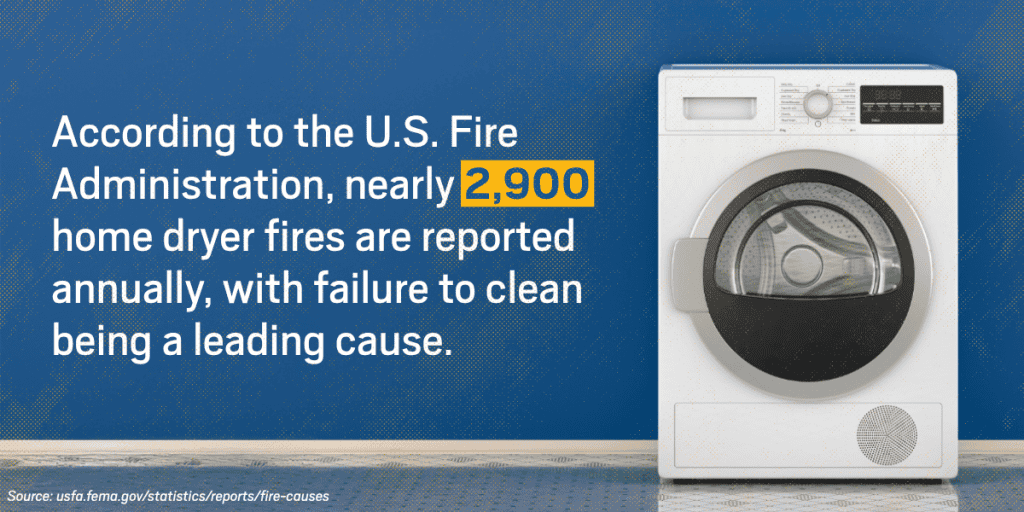
Clogged dryer vents are often overlooked until homeowners begin noticing performance issues such as longer drying times or excess heat around the appliance. Over time, lint and debris can build up inside the vent system, restricting airflow and forcing the dryer to work harder than intended. According to the U.S. Fire Administration, failure to clean dryer systems is one of the leading causes of residential dryer fires, making routine dryer vent maintenance an important part of supporting both appliance efficiency and home safety.
Why Clean Dryer Vents Matter
Dryer vents are designed to move heat, moisture and lint safely out of the home during each drying cycle. As lint begins collecting inside the vent line, airflow becomes restricted and the dryer must work harder to push air through the system. This added strain can reduce efficiency, increase drying times and place unnecessary wear on the appliance over time. Restricted airflow may also cause heat to build up inside the vent system. Because lint is highly flammable, trapped heat combined with accumulated lint can create a serious safety concern inside the home.
Beyond safety concerns, clogged dryer vents can impact day-to-day performance throughout the home. In some cases, excess lint may begin collecting around the dryer, behind the appliance or near the exterior vent opening. Florida homeowners may experience buildup more quickly because dryers often run more frequently due to humidity, outdoor activities, beach towels and seasonal weather conditions. Homes with pets, recent renovations or higher levels of dust may also experience faster lint accumulation inside the vent system.
Signs Your Dryer Vents Need Cleaning
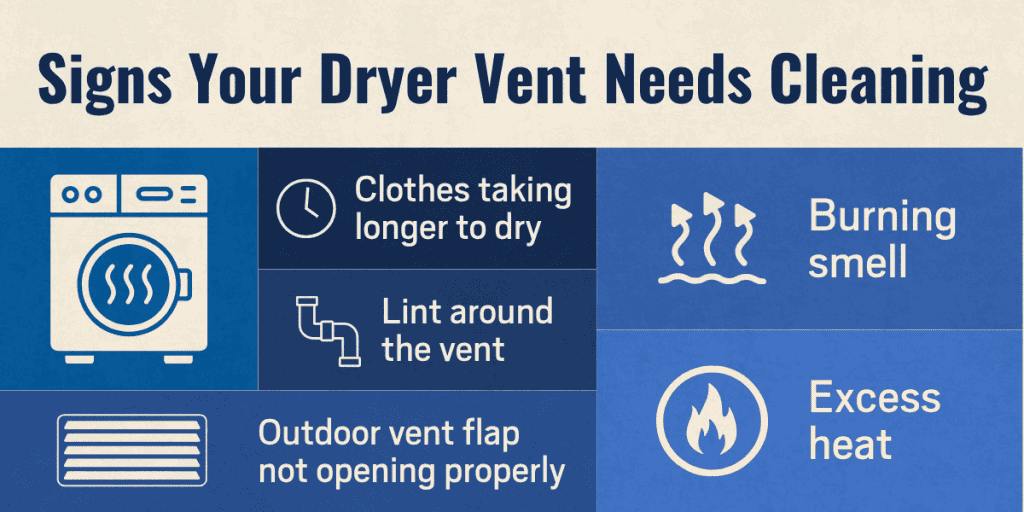
One of the clearest signs of a clogged dryer vent is clothing taking longer than normal to dry. A dryer that previously handled a full load in one cycle may suddenly require multiple cycles because restricted airflow prevents moisture from properly escaping the system. Homeowners may also notice the dryer feeling unusually hot during operation or the laundry room becoming warmer and more humid than normal. Other warning signs can include a burning smell while the dryer is running, visible lint collecting around the appliance or an exterior vent flap that does not fully open during operation.
Modern dryers may also provide warning indicators when airflow becomes restricted. Some newer systems include built-in airflow monitoring, maintenance alerts or app-based notifications that can help homeowners identify potential vent issues earlier. While these features can be helpful, they should not replace routine maintenance or professional inspections.
Most homes benefit from professional dryer vent cleaning about once a year, although some households may require more frequent service. Larger families, homes with pets or households that run multiple laundry loads daily may experience faster buildup and may benefit from inspections every six to nine months. Even if a dryer appears to be working normally, routine cleaning can help improve efficiency while reducing unnecessary strain on the appliance over time.
DIY Maintenance vs. Professional Dryer Vent Cleaning
Regular dryer vent maintenance includes both routine homeowner upkeep and periodic professional cleaning. While there are several simple maintenance tasks homeowners can handle themselves, professional service is often necessary to fully remove hidden lint buildup and inspect the vent system for airflow issues or damage.
Basic Maintenance Homeowners Can Handle
Homeowners can help reduce lint buildup and support dryer efficiency with a few routine maintenance habits, including:
- Cleaning the lint trap after every load
- Inspecting the outdoor vent opening periodically
- Checking for crushed or kinked vent hoses behind the dryer
- Keeping the area around the dryer clean to reduce dust, lint and pet hair buildup
The Limits of DIY Cleaning
Although basic maintenance is important, DIY cleaning has limitations. Many homeowners only clean the lint trap, which does not remove lint buildup deeper inside the vent system. Additional challenges may include:
- DIY cleaning kits may not fully reach deeper buildup
- Longer vent systems often require specialized equipment
- Hidden lint may remain inside bends or vertical vent runs
- Flexible foil vent hoses may trap lint more easily than rigid metal vents
- Crushed or improperly installed vent lines can further restrict airflow
Homeowners can also find DIY dryer vent cleaning methods online that involve using tools such as leaf blowers or shop vacuums to clear lint from the vent line. While these methods may work for some shorter, more accessible vent systems, they may not be appropriate for every home. Vent systems that run through attics, crawl spaces or longer sections of the home may be more difficult to clean safely without specialized equipment. In some cases, improper cleaning methods may damage vent materials, disconnect vent lines or leave hidden lint buildup behind.
Why Professional Dryer Vent Cleaning Matters
Professional dryer vent cleaning does more than remove lint buildup. It also provides an opportunity to identify hidden issues that may be affecting dryer performance, energy efficiency or overall safety. During a professional cleaning, technicians may:
- Remove lint and debris from deeper within the vent system, helping improve airflow and reduce drying times.
- Identify damaged vent materials, disconnected vent lines or crushed hoses that may be restricting airflow.
- Evaluate vent installation and routing to ensure the system is operating as efficiently as possible.
- Detect hidden buildup in areas that may be difficult to reach with DIY cleaning methods.
- Help reduce unnecessary strain on the dryer, which may contribute to improved appliance performance over time.
- Address airflow issues that can contribute to overheating concerns and other safety risks.
Dryer Vent Maintenance Checklist
Routine maintenance can help support dryer efficiency while reducing lint buildup over time. To make ongoing dryer vent maintenance easier, download Barineau Heating & Air Conditioning’s Dryer Vent Maintenance Checklist for a simple breakdown of recommended upkeep tasks, warning signs to watch for and reminders about when professional cleaning may be needed.
Frequently Asked Questions
How often should dryer vents be professionally cleaned?
Most homes benefit from professional dryer vent cleaning about once a year. Homes with pets, large families or frequent laundry usage may require more frequent cleaning because lint and debris can accumulate more quickly inside the vent system.
Can clogged dryer vents cause fires?
Yes. Lint is highly flammable, and restricted airflow may cause heat to build up inside the dryer vent system. According to the U.S. Fire Administration, failure to clean dryer systems is one of the leading causes of residential dryer fires.
Is dryer vent cleaning necessary if I clean the lint trap?
Yes. Cleaning the lint trap after every load is important, but it does not remove lint buildup deeper inside the vent line. Over time, lint can collect throughout the vent system and restrict airflow even when the lint trap is cleaned regularly.
How long does professional dryer vent cleaning take?
Professional dryer vent cleaning appointments are often completed within one to two hours, depending on the length of the vent system, the amount of buildup and how accessible the vent line is inside the home.
Can clogged dryer vents damage dryers?
Restricted airflow may force dryers to work harder during each cycle, which can increase wear on the appliance over time. Homeowners may notice longer drying times, overheating issues or reduced dryer efficiency when vents become clogged.
Can homeowners clean dryer vents themselves?
Homeowners can handle basic maintenance tasks such as cleaning the lint trap, checking the exterior vent opening and inspecting visible vent connections. However, deeper vent cleaning may require specialized equipment, especially for longer vent systems or vents that run through attics, crawl spaces or walls.
How much does a professional dryer vent cleaning typically cost?
Pricing may vary depending on the home, vent length and accessibility of the system. Longer or more complex vent systems may require additional time or equipment. Many HVAC companies offer coupons or discounts for service agreement or maintenance plan customers.
What type of dryer vent material is safest?
Rigid metal vent systems are generally considered the safest and most effective option for dryer ventilation because they are more durable and less likely to trap lint than flexible foil or plastic-style vent materials. Proper installation and routine maintenance also play an important role in supporting safe dryer operation.
Trust the Experts
For homeowners, routine dryer vent cleaning is an important part of maintaining a safer, more efficient home. Barineau Heating & Air Conditioning has proudly served north Florida, south Georgia and the Emerald Coast for more than 50 years across three generations, providing trusted home comfort and maintenance services backed by a reputation for quality workmanship and customer care. Whether homeowners are noticing longer drying times, overheating concerns or signs of restricted airflow, the Barineau team can help inspect and clean dryer vent systems to support proper performance and reduce unnecessary strain on the appliance.
Have questions? Call our team at (850) 580-4029 or schedule an appointment.